
Over the past decade, first-party data has exploded. Marketers now have more first-party customer data than ever before, and that data is spread across more systems than ever before. And expectations for delivering highly personalized experiences have grown exponentially. To help organizations make the best use of their customer data to drive success, David Raab founded the Customer Data Platform (CDP) Institute, a vendor-neutral organization with over 10,000 members, in 2013.
The original thought leader who coined the now-ubiquitous term “CDP,” David spoke at the recent Cheetah Digital Signals21 conference, sharing four key considerations he believes organizations need to make when defining the role of a CDP to maximize its benefits and optimize privacy best practices.
What is a CDP? An Expert Definition
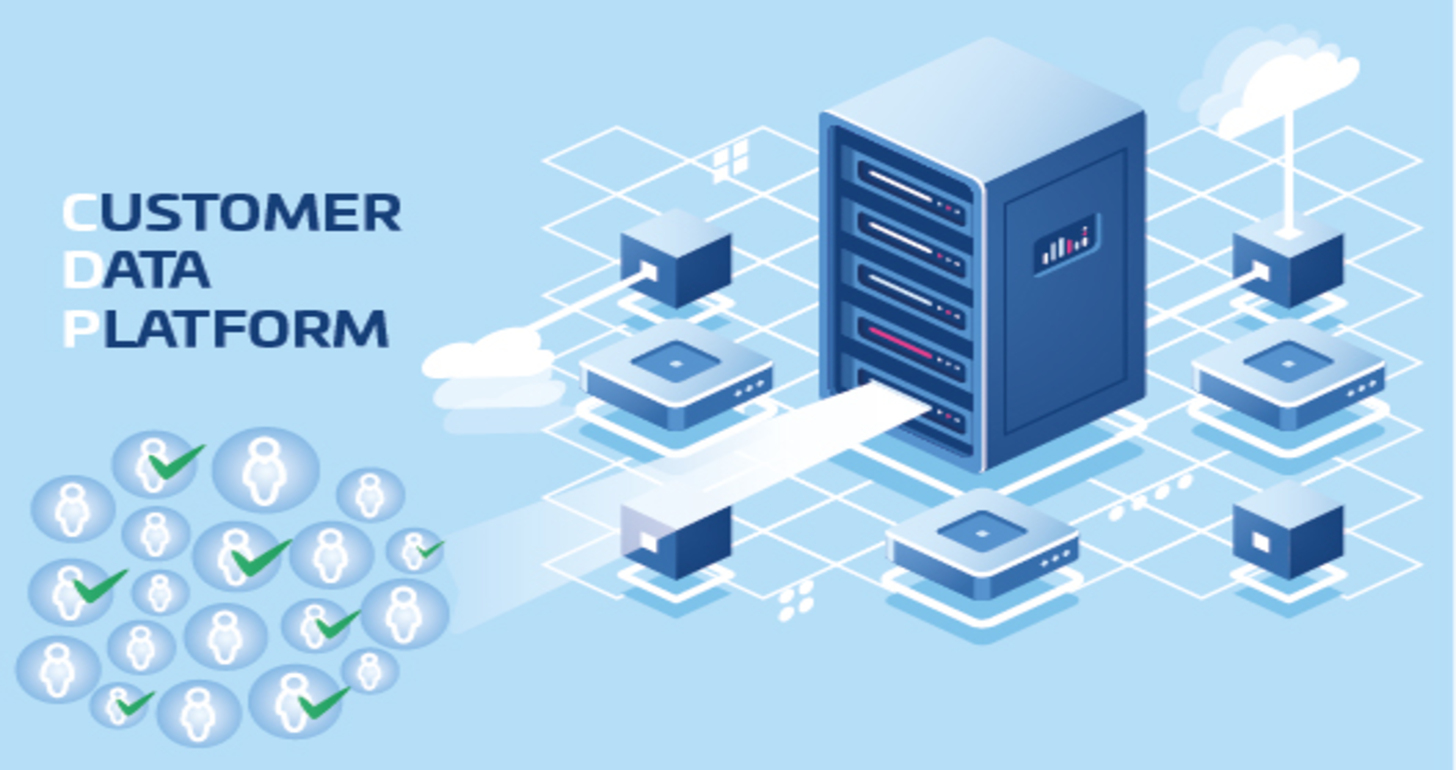
According to David, the CDP Institute's official definition of a customer data platform is “packaged software that builds a persistent unified customer database that is accessible to other systems.”
“Packaged” software means it is something you “buy”, it is not a data warehouse or data lake that you would typically “build” as a custom project.
For example, a customer relationship management (CRM) system will typically work with data that users have entered into the system, rather than importing data from other sources. A data management platform (DMP), traditionally works with cookies that are “discarded” after 60 or 90 days.
David says CDPs have a unique combination of features that make them the ideal platform.
Get smart about your CDP
There are two clusters of CDPs to “choose from,” David explains. The first is CDP systems that focus on profile building, and the second is a cluster of CDP systems that are targeted at marketing departments:
Profile Building CDPs: These CDPs are relevant to vendors that tend to sell to the enterprise, where the enterprise wants a unified customer profile that can be shared across the organization including marketing, sales, service, support, and operations.
Marketing-focused CDPs: These are CDPs that have built-in campaign management and built-in predictive modeling and analytics.
David strongly recommends that organizations commit to some type of training as they gain a better understanding of their CDP, to maximize the benefits of their martech investment.
CDP, privacy and data security
With GDPR in Europe and CCPA in California, along with numerous privacy legislations passed globally, organizations are increasingly taking consumer privacy seriously.
David says CDPs enable organizations to comply with GDPR, as effectively implementing a CDP in many ways overlaps with the compliance requirements of privacy regulations.
The work that organizations must do to comply with privacy essentially becomes the work required to implement a CDP.
Build or Buy a CDP?
When deciding whether to build or buy a CDP, David says that typically organizations will actually do both as a “balance of the two.”
David says that many corporate IT departments don’t have the resources to build a CDP from scratch. This is especially true if they work in an industry that doesn’t traditionally work with customer data, and starting with a CDP isn’t really the “natural” place for internal teams to go when looking at customer data.
CDPs are an important platform for organizations to help them understand and build a sustainable unified customer database that can be accessed by other systems. With two specific types of CDPS, profiling and marketing targeting, they can ensure organizations get the most out of their data.
Original post: Why Customer Data Platform Will Set You Up For Data-Driven Growth (martechseries.com)
Translated by: Phan Cong Duy